



Published on: May 2026
TECHNOLOGY-DRIVEN FINANCIAL SOLUTIONS IN RECRUITMENT
Alok Verma Rajni Kingrani

Article Status
Available Documents
Abstract
The research examines how FinTech technology affects current recruitment methods while assessing its value for organizations through improved operational capacity and decision-making procedures. The study uses secondary data which researchers gathered from academic journals and industry reports and published research documents. The research uses a descriptive and qualitative research design to examine essential patterns and instruments and results that FinTech-driven recruitment systems produce.
The research demonstrates that FinTech technology enhances recruitment efficiency because it decreases hiring duration and lowers administrative expenses and improves visibility of salary management processes. The FinTech tools enable organizations to make hiring decisions based on data while providing candidates with an improved experience through smooth online interactions. The organization faces three main challenges because of data privacy dangers and technology dependence and the expensive costs of initial system implementation. The study shows that FinTech functions as a strategic recruitment tool for organizations which need to adopt digital transformation processes. Organizations need to establish proper ethical FinTech usage and strong data protection measures and ongoing employee training programs to achieve maximum advantages from FinTech recruitment tools.
Keywords- Fintech, Human resource management, recruiting, benchmarking
How to Cite this Paper
Verma, A. & Kingrani, R. (2026). Technology-Driven Financial Solutions in Recruitment. International Journal of Creative and Open Research in Engineering and Management, <i>02</i>(05). https://doi.org/10.55041/ijcope.v2i5.390
Verma, Alok, and Rajni Kingrani. "Technology-Driven Financial Solutions in Recruitment." International Journal of Creative and Open Research in Engineering and Management, vol. 02, no. 05, 2026, pp. . doi:https://doi.org/10.55041/ijcope.v2i5.390.
Verma, Alok, and Rajni Kingrani. "Technology-Driven Financial Solutions in Recruitment." International Journal of Creative and Open Research in Engineering and Management 02, no. 05 (2026). https://doi.org/https://doi.org/10.55041/ijcope.v2i5.390.
Search & Index




References
- Bersin, J. (2020). Digital HR and the rise of FinTech integration. Deloitte Insights.
- (2021). Future of HR technology and financial integration. Gartner Research.
- (2022). FinTech transformation in talent acquisition. KPMG International.
- Marler, J. H., & Fisher, S. L. (2016). An evidence-based review of e-HRM and strategic human resource management. Human Resource Management Review, 26(2), 139–
- (2021). AI, analytics, and FinTech in recruitment. PricewaterhouseCoopers.
- Reinders, H., & White, C. (2016). 20 years of autonomy and technology: How far have we come and where to next? Language Learning & Technology, 20(2), 143–
- Remote fintech recruitment challenges infographic [Image]. Webflow. https://globalwebflow.com/5ece31a7ed10852cac87fba4/61937c7cdc35457254a16504_remotefintech-recruitment-challenges-candidates.jpeg
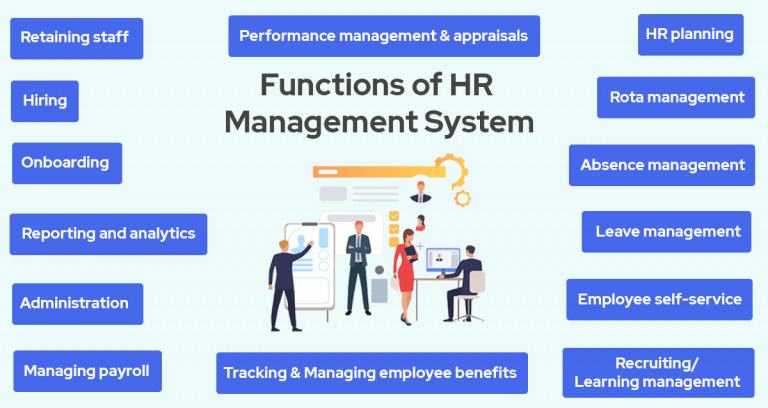
- HR management system diagram [Image]. (n.d.). https://orgzit.com/blog/wpcontent/uploads/2020/04/hr-management-system-2-768x408.png
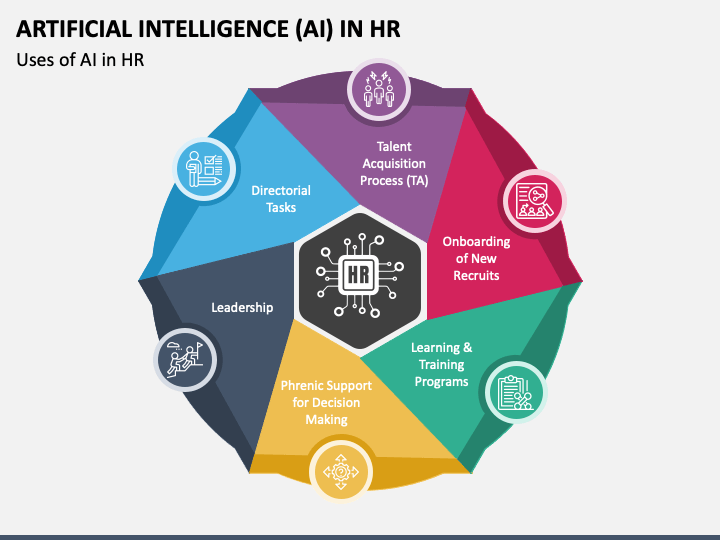
- Artificial intelligence in HR slide graphic image sketchbubble
- https://cdn.sketchbubble.com/pub/media/catalog/product/optimized1/c/1/c12d8d01cbf7627f9 512ffe629f8e34f00f5b05d1d1bee03c618112622f1abe0/artificial-intelligence-ai-in-hr-mcpng
- Main fintech challenges [Image]. /https://www.mobindustry.net/blog/7-key-challengesfintech-startup-faces-and-their-solutions/

Ethical Compliance & Review Process
- •All submissions are screened under plagiarism detection.
- •Review follows editorial policy.
- •Authors retain copyright.
- •Peer Review Type: Double-Blind Peer Review
- •Published on: May 16 2026
This article is licensed under a Creative Commons Attribution-NonCommercial 4.0 International License. You are free to share and adapt this work for non-commercial purposes with proper attribution.